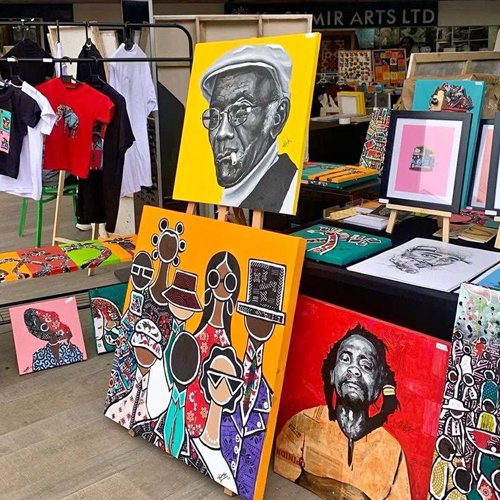
Authentic Ghanaian Artworks
The visual-arts programme will present paintings, sculpture, beadwork, textiles, photography and contemporary mixed-media work from Ghana. It will function as both an exhibition and a marketplace.
Visitors will be able to meet artists, understand the ideas behind their work and purchase original pieces where sales arrangements have been approved. European galleries, curators, interior designers, cultural institutions and collectors will be invited to explore representation, exhibition and commission opportunities.
The programme should include artist talks, practical demonstrations and discussions about provenance, pricing, export, intellectual property and ethical acquisition. ASTAF wants artists to leave with more than visibility. The aim is to create sales, professional contacts and routes into future exhibitions.
Afro-Fuse: Music, Dance and Instruments
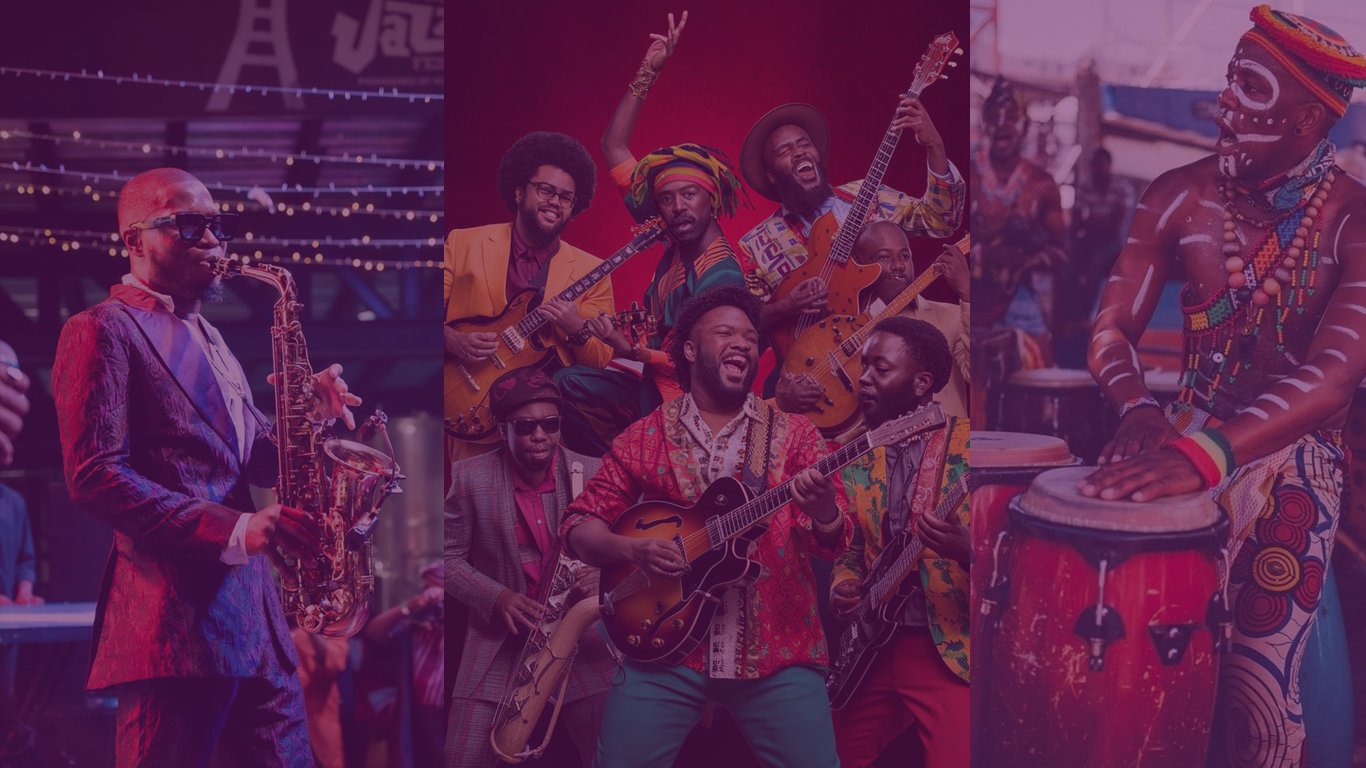
Afro-Fuse will move between Ghana’s traditional musical forms and its contemporary sounds. The programme may include folkloric ensembles, dance, Highlife, Afrobeat, percussion and performances built around Ghanaian instruments.
Instrument makers and cultural educators will explain how drums, flutes, bells, xylophones and stringed instruments are made and used. This context matters. European audiences should encounter the music as living culture, not as decoration.
The music programme can also create professional opportunities. Festival organisers, booking agents, venues and collaborators will be invited to meet participating performers and discuss tours, residencies, workshops and cross-border productions.
Fashion Fusion
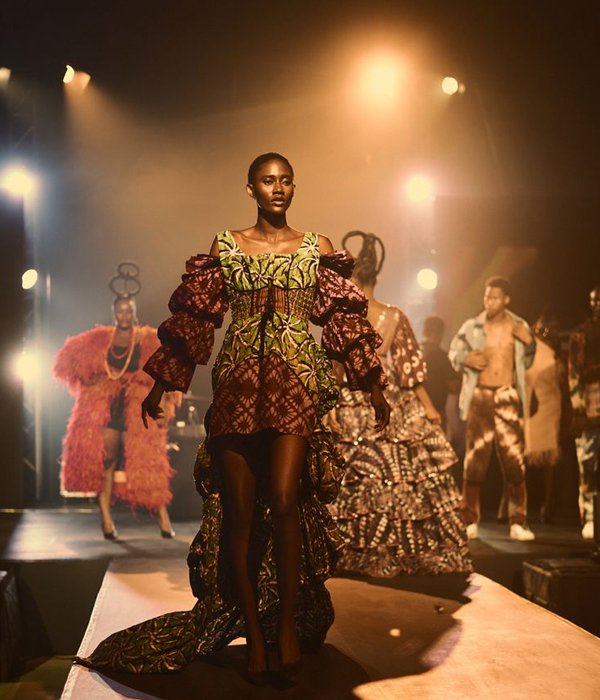
Fashion Fusion will present Ghanaian textiles and design through runway shows, exhibitions, designer presentations and direct engagement with buyers.
Kente and other indigenous fabrics will appear in conversation with contemporary silhouettes and modern production. The programme should give proper recognition to textile origins, weaving communities, designers and makers.
Business sessions can address production capacity, export readiness, ethical sourcing, intellectual property, European sizing and compliance, distribution and retail collaboration. The goal is to help Ghanaian fashion businesses enter international markets without losing the identity that makes their work distinctive.
Ghanaian Film and Storytelling
ASTAF will screen selected Ghanaian films and documentaries for European audiences. Filmmakers, actors and producers may take part in discussions about their work, the realities of production in Ghana and opportunities for international collaboration.
The film programme can connect Ghanaian projects with festivals, broadcasters, distributors, streaming platforms, co-production partners and film-education institutions. It can also promote screen tourism by showing locations, histories and communities that encourage audiences to visit Ghana.
Every screening will be subject to rights clearance, classification requirements and final programme approval.

Trade Expo
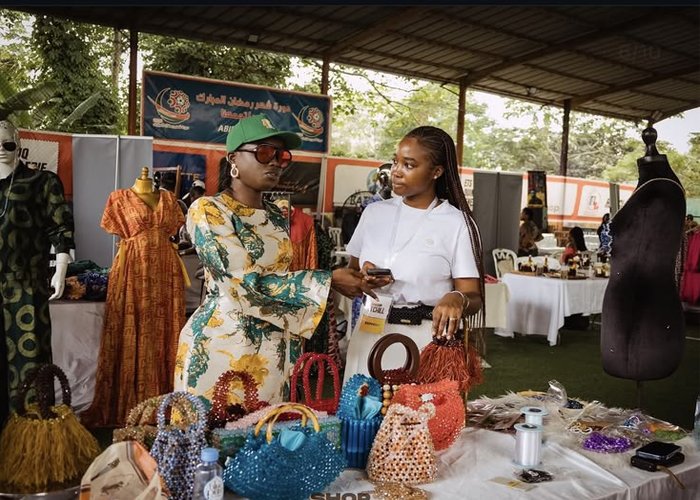
The trade expo will introduce Ghanaian products and services to buyers, distributors, diaspora consumers and investors. Priority will be given to businesses that can explain their product quality, production capacity, pricing, compliance and route to market.
The expo may include agribusiness, fashion, crafts, tourism, technology, manufacturing and non-traditional exports. Exhibitor selection should consider commercial readiness as well as cultural relevance.
Indigenous Culture Exchange
The indigenous culture programme will create space for traditional leadership, ceremony, oral history, music, dress and community values. A durbar of chiefs and related activities are proposed in the concept note and remain subject to confirmation, protocol and programme approval.
The presentation must be respectful and properly contextualised. Cultural leaders should shape how traditions are represented, and the programme should avoid turning sacred or community practices into spectacle.

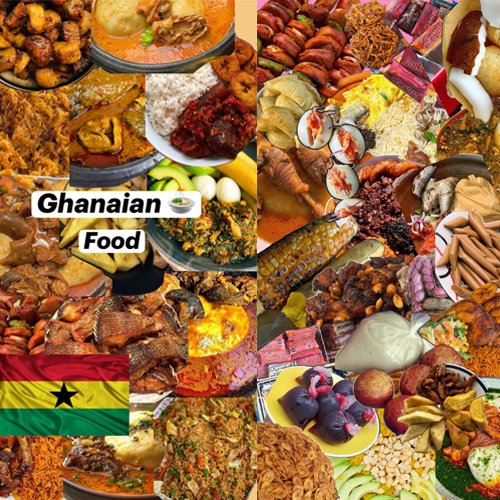
Food and hospitality
Ghanaian food can give visitors an immediate, memorable connection to the country. Subject to venue, licensing and food-safety arrangements, ASTAF may feature Ghanaian dishes, ingredients, culinary demonstrations and hospitality businesses.
This programme can connect food culture with culinary tourism, restaurant partnerships, export opportunities and travel to Ghana.